VIEW HEADLINES ONLY

Time to Celebrate Breastfeeding

Complex processes are involved in breastfeeding in mammals. Human breastmilk serves as a natural protector for baby’s immune system.

Kelp Forests Improve Climate

Giant kelp may form the most productive marine biome to aid climate mitigation efforts. We explore the innovative potential for biomimicry of kelp and its implications on the origins’ debate.

Human Brain Complexity Surpasses Animal Brains

Human brains are superior not just in the quantity of neurons, but the quality.

Can Artificial Intelligence Understand Goodness?

As Geneva prepares for the global ‘AI for Good’ summit (July 7-10), this article reflects on key questions in the AI debate pertaining to morality and ‘goodness’.

The Book that Launched the Scientific Revolution

What we can learn from the greatest work of the Scientific Revolution on the anniversary of its publication.

A Lost World Revealed by Physics

What we have been given is not just a vision of lost civilizations, but a reminder of how much of the past still lies beyond our sight.

What Fire Teaches About Intelligent Design

The world’s largest controlled fire whirl experiment challenges evolutionary narratives and highlights purposeful design.

Brain Cleaned by Abdominal Hydraulic System

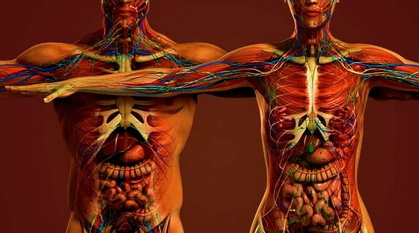
Scientists discover that the human brain is more mechanically interconnected with the abdomen than previously thought. 

Engineered Networks Mimic Living Networks

The world recognizes technological feats in telecommunications this month. We reflect on key common engineering parallels in biology pointing to markers of intelligent design.

Sense of Smell Uses a Barcode System

Smell is governed by a hidden spatial code, with ~1,100 receptors arranged in precise maps that align nose and brain.  

SCT: Quorum Sensing—Another Skill Unique to Life

From the smallest cell to the greatest whale, algorithmic processes like quorum sensing distinguish the biotic from the abiotic.

Evolutionary “Patchwork” or Poor Proofreading?

It used to be a requirement to check the status of your information when writing about science.

Our Multiple Senses Cooperate

Scientists estimate that humans have up to 33 distinct types of senses, rather than the traditional ‘five’ senses, highlighting the immense complexity of human perceptive abilities.

How to Teach AI to Reason Scientifically

AI inherits the naturalistic biases that are deeply embedded in our culture, but can learn to judge evidence.

How Atmospheric Nitrogen Gets Into Life

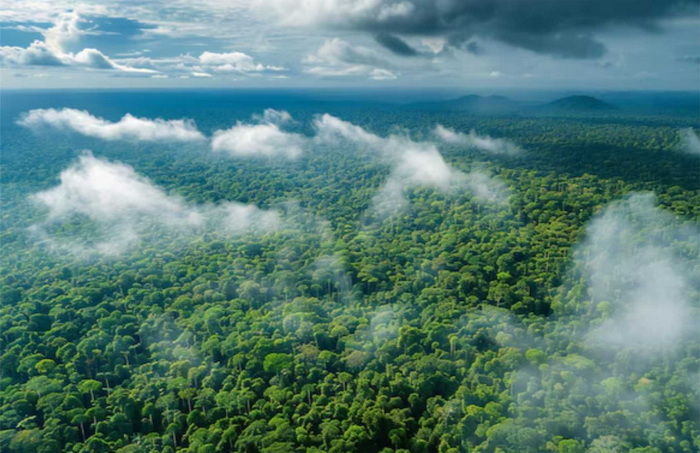
Nitrogen fixation outperforms all other fertilizing elements in accelerating forest growth, underscoring the unmatched efficiency of natural systems.
All Posts by Date
[archives type="yearly" cat_id="3110"]